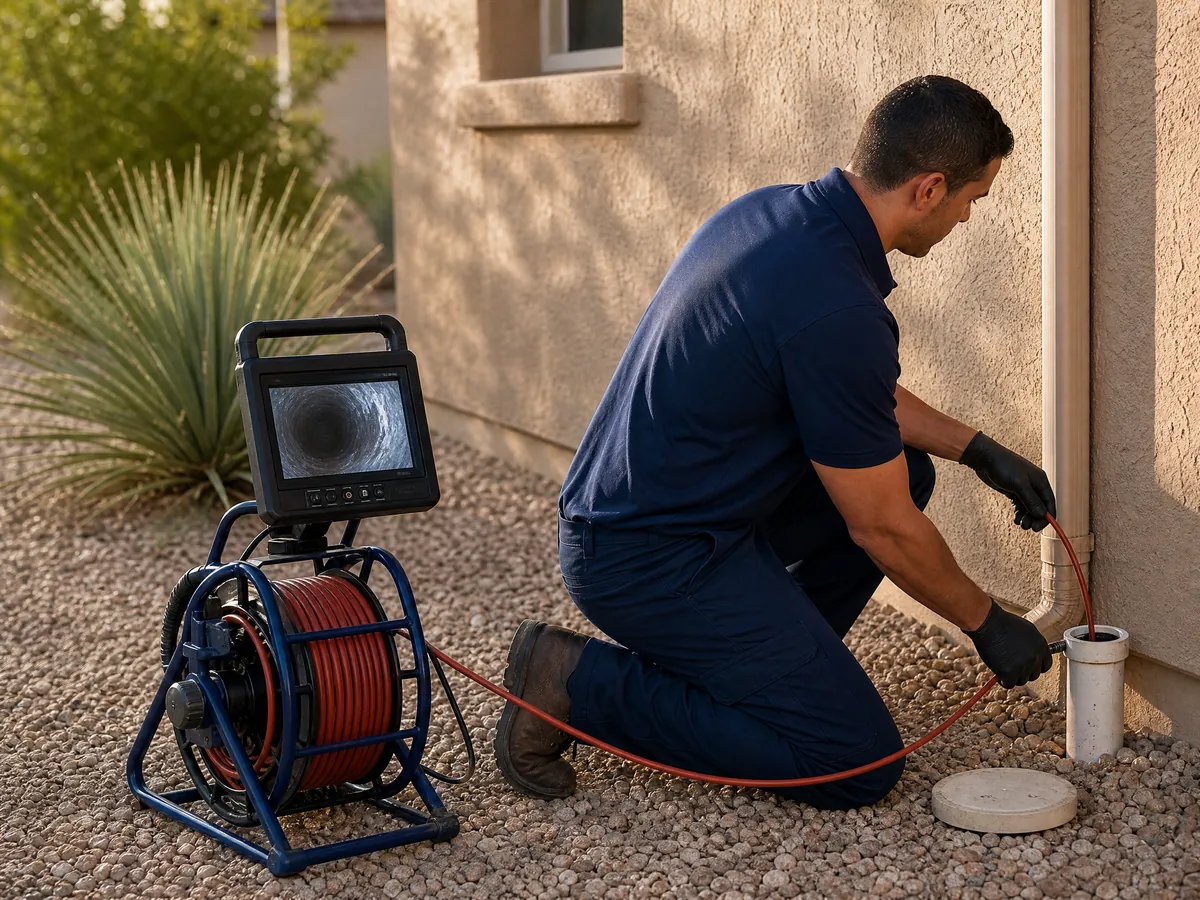
Sewer repair should follow evidence that identifies the affected section, likely defect, access route, and responsibility boundary. Repair method should not be promised before the line and site conditions are understood.
Direct answer
What this service is designed to solve
Sewer-line repair should follow evidence that identifies the affected section, likely defect, access route, and responsibility boundary. A camera or clearing result can help, but no repair method should be promised before the line and site conditions are understood.
Common signs and symptoms
- Recurring main-line backups
- A camera view showing a localized defect
- Visible leakage or settlement near a private sewer route
- A need to plan access after a line has been cleared and located
What an appointment can determine
- Whether accessible evidence supports a localized repair or broader replacement discussion
- What access, depth, route, material, and restoration factors affect scope
- Which additional locating, cleaning, utility, or permit steps may be needed
What may require more access
- Exact underground conditions before locating or excavation
- Municipal/private responsibility without utility or property verification
- A trenchless solution where equipment, site, or method is not offered
What to expect during the appointment
- 1
Confirm the symptom, property location, and service goal before work begins.
- 2
Inspect the accessible components and explain what can—and cannot—be concluded from that inspection.
- 3
Present practical options and an upfront flat-rate estimate before authorized work starts.
- 4
Complete only the approved scope, then test the affected plumbing and explain the result and care notes.
Repair, maintenance, and replacement paths
Localized repair
Address a confirmed accessible defect when the surrounding line remains suitable.
Section replacement
Replace a longer affected run when condition and access support that scope.
Further investigation
Clear, camera, locate, or verify responsibility before committing to repair.
Before a recommendation
What affects the repair or installation plan
- Defect location, length, depth, and material
- Private versus utility responsibility
- Landscape, concrete, structure, and utility access
- Permit, inspection, backfill, and restoration boundaries
What affects cost
- Defect location, depth, length, and pipe material
- Access through landscape, concrete, or finished areas
- Utility locating, permits, and inspection requirements
- Excavation, disposal, backfill, and restoration boundaries
- Wastewater responsibility and bypass needs
Typical approved scope includes
- Evidence and scope review
- Approved excavation or access stated in writing
- Specified pipe repair/replacement and testing
- Restoration boundaries explained before authorization
Scope boundaries
Common exclusions unless stated in writing
- Trenchless replacement or hydro-jetting
- Landscaping, concrete, flooring, or finish restoration unless listed
- Municipal work or conditions outside the approved private scope
Qualified workmanship warranty: Dream Team Plumbing provides a two-year workmanship warranty on most qualifying completed work. It applies to labor performed by Dream Team Plumbing and does not cover manufacturer defects, unrelated system failures, water damage, misuse, neglect, improper maintenance, unauthorized alterations, or conditions outside the approved scope. Read warranties and service policies.
East Valley context
Why the property and location matter
City responsibility and private-lateral responsibility differ by location and condition. The affected line and authority should be verified before repair decisions are made.
Straight answers
Sewer Line Repair FAQs
Do you offer trenchless sewer replacement?
No. Dream Team Plumbing does not advertise trenchless sewer replacement. Available repair scope is discussed after evidence and site access are reviewed.
Is a camera inspection always enough to price a repair?
No. Depth, locating, access, utility conflicts, pipe material, responsibility, and restoration may require additional verification.
Who is responsible for the sewer line?
Responsibility can depend on the location and local utility rules. The affected section and utility guidance should be confirmed before repair.