A slow or stopped drain is a symptom. We look at which fixtures are affected, how the problem developed, and whether it has happened before so the clearing method fits the line and the likely obstruction.
Direct answer
What this service is designed to solve
Drain cleaning should match the location and character of the blockage. A single slow fixture, several affected fixtures, recurring stoppage, and a main-line backup point to different starting places and may require different access or follow-up inspection.
Common signs and symptoms
- A sink, tub, or shower draining slowly
- Gurgling near a fixture
- Water backing up in another drain
- More than one fixture slowing or stopping together
What an appointment can determine
- Which accessible fixture or branch appears affected
- Whether symptoms suggest a local restriction or a larger drain/sewer concern
- Which accessible cleaning method and entry point fit the observed condition
What may require more access
- The complete condition of buried or concealed piping from flow alone
- A structural defect without a clear camera view
- That a cleared line will never clog again
What to expect during the appointment
- 1
Confirm the symptom, property location, and service goal before work begins.
- 2
Inspect the accessible components and explain what can—and cannot—be concluded from that inspection.
- 3
Present practical options and an upfront flat-rate estimate before authorized work starts.
- 4
Complete only the approved scope, then test the affected plumbing and explain the result and care notes.
Repair, maintenance, and replacement paths
Local drain service
Address a fixture or branch restriction through a suitable accessible point.
Main-line cleaning
Use an appropriate main-line access when multiple fixtures or backup patterns indicate a larger stoppage.
Camera follow-up
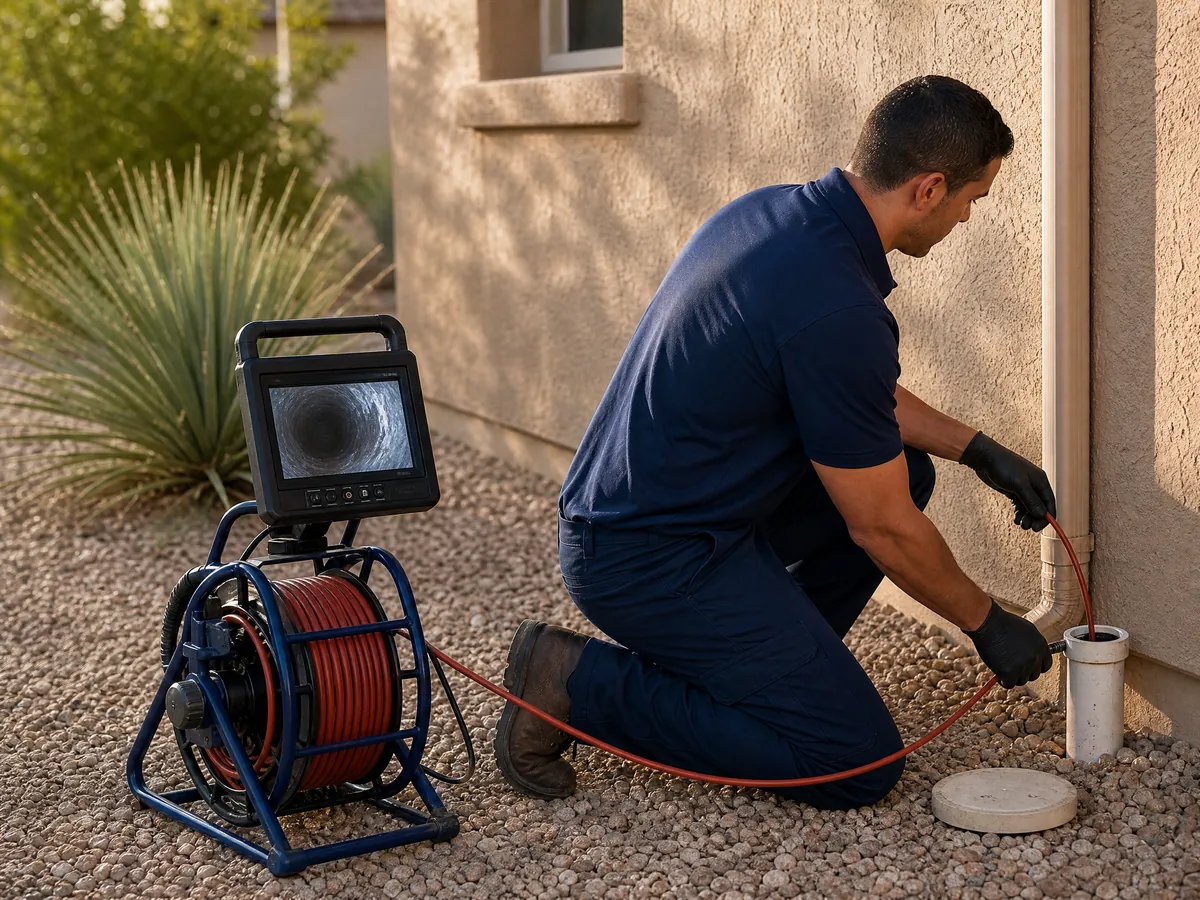
Inspect recurring or condition-sensitive concerns after the line allows a useful view.
Before a recommendation
What affects the repair or installation plan
- Which fixtures are affected
- How often the stoppage has returned
- Available cleanout or fixture access
- Whether inspection is useful after clearing
What affects cost
- Fixture/branch/main-line location
- Available cleanout or drain access
- Severity, material, and length of restriction
- Equipment and protection needed for the work area
- Camera inspection or repair scope beyond clearing
Typical approved scope includes
- Symptom and access review
- Approved cleaning through the stated access point
- Basic flow test after the service
- Explanation of visible limitations and recommended follow-up
Scope boundaries
Common exclusions unless stated in writing
- Guaranteed permanent clearing
- Pipe repair, excavation, restoration, or camera work unless listed
- Removal of hazardous materials or inaccessible foreign objects
Qualified workmanship warranty: Dream Team Plumbing provides a two-year workmanship warranty on most qualifying completed work. It applies to labor performed by Dream Team Plumbing and does not cover manufacturer defects, unrelated system failures, water damage, misuse, neglect, improper maintenance, unauthorized alterations, or conditions outside the approved scope. Read warranties and service policies.
East Valley context
Why the property and location matter
East Valley homes vary in age, drain material, cleanout access, and landscape conditions. Recurrence and access matter more than a generic one-method promise.
Straight answers
Drain Cleaning FAQs
What does it mean when several drains back up together?
That pattern can point to a shared branch or main drain rather than a single fixture. Stop using affected plumbing and describe the pattern when you call.
Will drain cleaner solve a recurring clog?
A recurring stoppage may need mechanical clearing or inspection. Chemical products can also complicate safe service, so tell the plumber what has already been used.
When is a camera inspection useful?
It is often useful when a main-line issue repeats, the line condition is uncertain, or repair decisions depend on locating a visible defect.